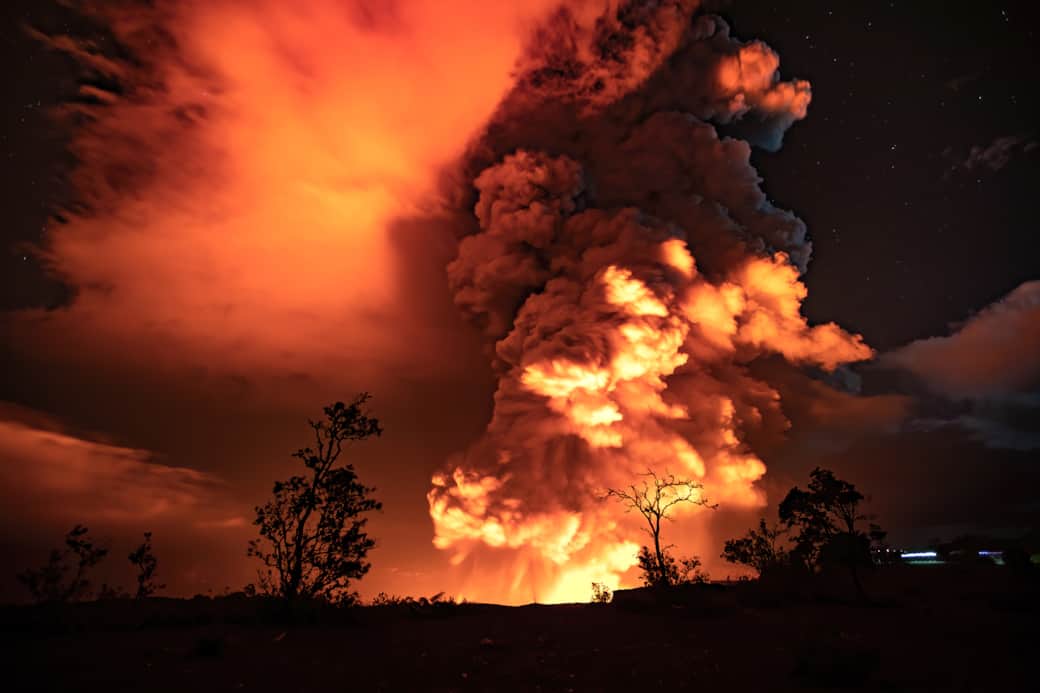
Kīlauea's True Hidden Gems: Exploring Beyond the Crowds of Hawaiʻi Volcanoes National Park
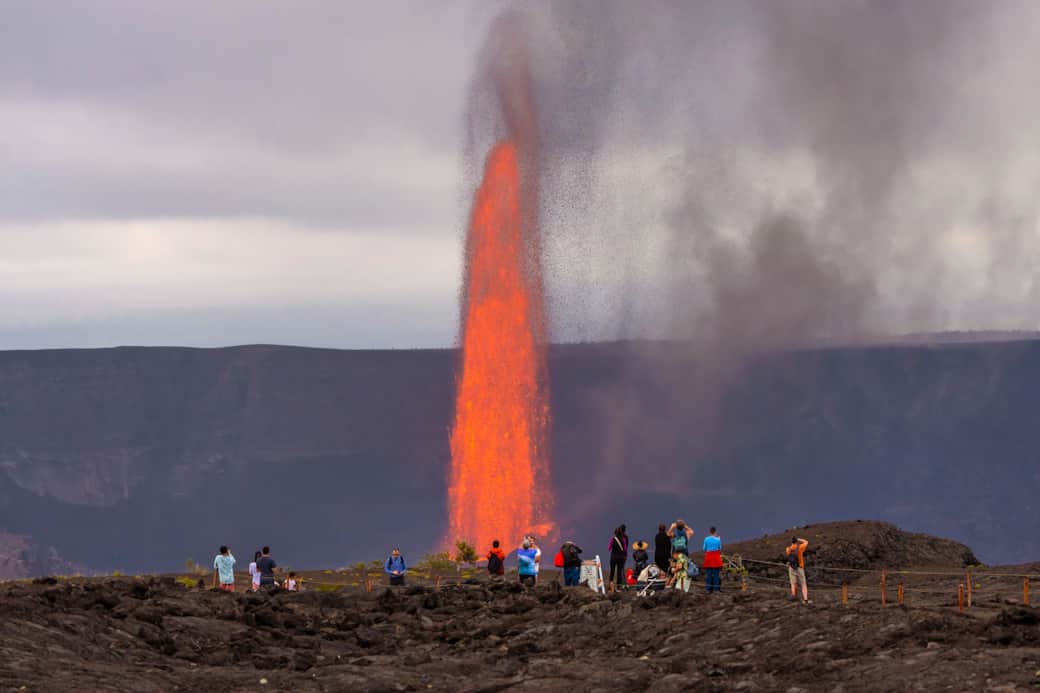
The Well-Trodden Path vs. The Road Less Traveled
Heading to the Island of Hawaiʻi? The first stops on everyone's list are probably the classic Kīlauea Iki Trail and the cool, dark Nahuku Lava Tube, which are pretty much tourist rock stars inside Hawaiʻi Volcanoes National Park. And who doesn't love a scenic drive? The Chain of Craters Road and Crater Rim Drive are fantastic for checking out the massive caldera and dramatic sea arch. They're famous for a reason—they offer a jaw-dropping peek at the volcano's raw power.
But for the real adventure seekers—the kind of travelers who want to skip the selfies and find the true heart of a place—the magic happens on the road less traveled. The real gems are tucked away, waiting for those who are willing to put in a little extra effort. This guide is your secret map to the most unique and unforgettable spots, a curated list of true "hidden gems" that are all right inside the park's boundaries. This is how you get an intimate, mind-blowing connection with a landscape that’s constantly being created and destroyed.
🗺️ The Puʻuloa Petroglyphs: A History Hike to Ancient Art
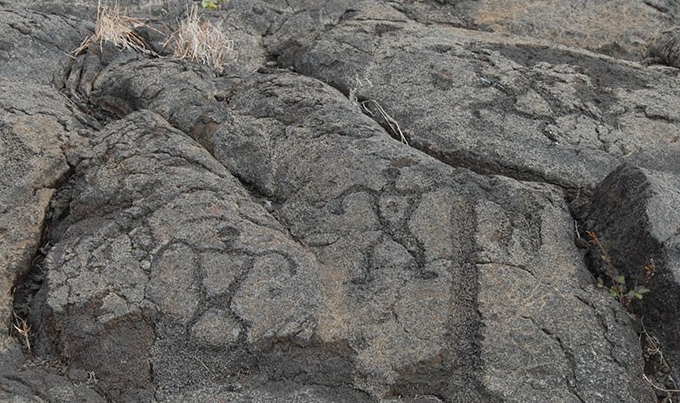
Want to walk through a gallery that's thousands of years old? The trail to the Puʻuloa Petroglyphs is a fantastic journey back in time. Tucked away along Chain of Craters Road, this is home to the largest collection of rock art in all of Hawaiʻi—we're talking over 23,000 carvings from 500 years ago, all etched into the hardened lava.
The name Puʻuloa means “long hill” in Hawaiian, and this place feels incredibly special.
The hike is about 1.5 miles across a rugged, exposed lava field, so you'll feel like you're exploring a whole new planet. Thankfully, a series of elevated boardwalks keeps you from stepping on the fragile formations. Look closely and you'll spot carvings called poho, which were created to cradle the umbilical cords of newborn babies, meant to bring them a long and happy life. This is your chance to connect with the kūpuna (elders) and witness a spiritual and artistic legacy that’s literally carved into the earth itself.
🌋 Mauna Ulu and Puʻuhuluhulu: Walk on the Moon (Sort Of)
Ready for a hike that feels truly out of this world? Head to the Mauna Ulu and Puʻuhuluhulu area for an epic look at a different kind of volcanic adventure. This trail takes you through a landscape absolutely buried by an eruption that went on for five straight years, starting way back in 1969.
The name Mauna Ulu means "Growing Mountain," which makes perfect sense once you see the volcanic cone it created.
You'll trek across solidified pahoehoe lava (the smooth, ropy kind) before climbing up a forested cinder cone with the hilarious name Puʻuhuluhulu, which translates to "hairy hill". The climb to the top is only 210 feet, but the views are absolutely bonkers, giving you a dramatic look at the barren landscape and even views of the Puʻu Ōō vent. As you explore, be on the lookout for delicate lava tree molds—they're like ghostly sculptures left behind when lava encased trees and then drained away. Just a little tip: stick to the marked trails and please, please don't build new rock piles (ahu)—they can mess up the trail for everyone else.
🌿 Kīpukapuaulu (Bird Park): A Secret Garden in the Lava Fields
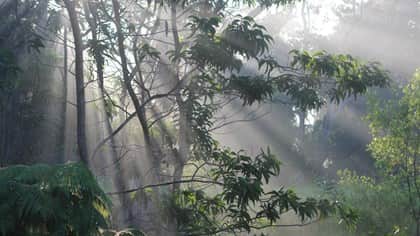
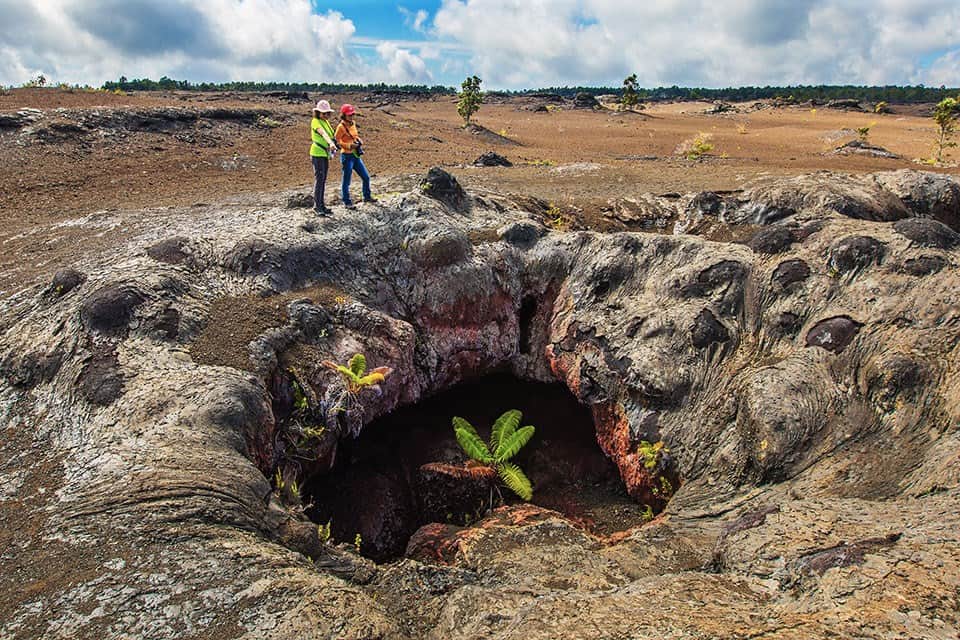
If you need a break from all the rocks and heat, this is your perfect escape. The Kīpukapuaulu Trail is a peaceful 1.2-mile loop through a lush, native Hawaiian forest that’s a local favorite. You might be wondering, "How did a forest survive in the middle of a lava field?" Well, a kīpuka is a little island of old land that lava flows went around, leaving it completely untouched.
This forest oasis is home to some of Hawaiʻi's rarest plants and animals, making it a dream spot for birdwatching. The trail is super easy and perfect for a lazy stroll, and you might even spot some native honeycreepers flitting about. Kīpukapuaulu is a beautiful reminder that even in a place of destruction, nature finds a way to thrive and create new life.
🤫 The Kahuku Unit: Your Own Private Corner of the Park
Feeling like the main park is a little too crowded? Here's the ultimate secret weapon: the Kahuku Unit. Located on the southerly slopes of Mauna Loa, this part of the park is often skipped by visitors but offers incredible hiking and a total sense of solitude.
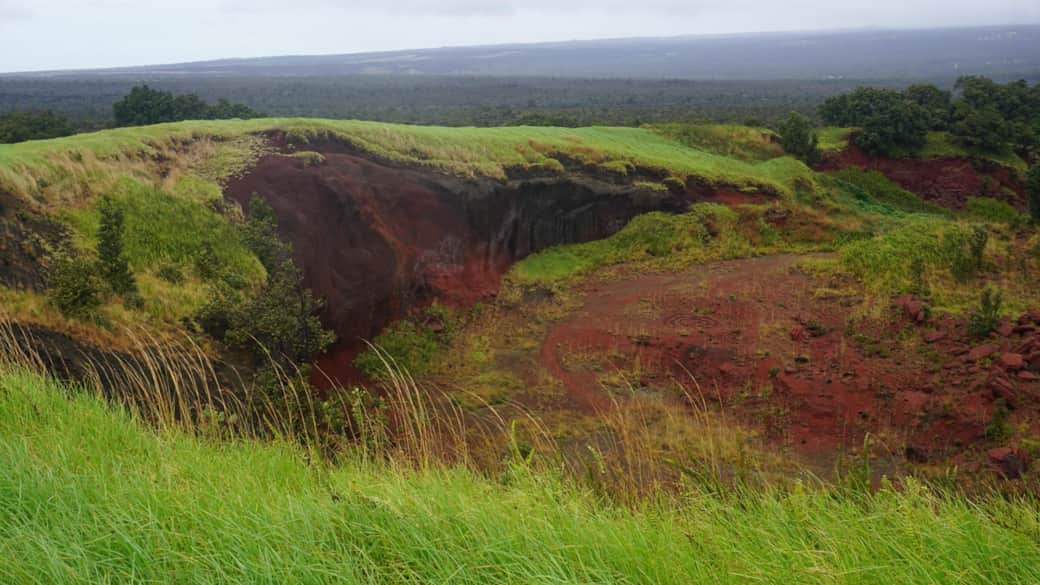
Once a historic cattle ranch, this extensive unit is the perfect place to get away from the masses for a day of peaceful exploration. You'll find a variety of day hikes and unique features like a special cinder cone with amazing red rocks, which were once mined by Native Hawaiians. The best part? The trails here are never crowded, so you can have the wide-open spaces all to yourself.
The Modern Traveler's Guide to Hawaiʻi Volcanoes National Park
A trip to Kīlauea is an adventure into a dynamic and unpredictable environment. To ensure a safe and memorable experience, it is imperative to be well-prepared and respectful of the volcano's power. Visitors must rely on real-time information to make informed decisions. The United States Geological Survey (USGS) and the National Park Service (NPS) websites are the most authoritative sources for daily updates on volcanic activity, air quality, and road and trail closures.
Understanding Volcanic Hazards
Visitors must be aware of the inherent dangers of the volcanic environment. Vog, or volcanic smog, is a hazardous mix of volcanic gas and sulfur dioxide (SO2) emissions. This gas poses a risk, particularly to those with heart or respiratory issues, infants, and pregnant women; checking air quality alerts before visiting is a non-negotiable step. Another hazard is Pele's Hair, which are sharp, fine strands of volcanic glass, and volcanic ash. These can be abrasive and irritate the eyes, skin, and respiratory system. Visitors are advised not to handle Pele's hair and to limit exposure, potentially using protective gear like a brimmed hat and a face mask if needed.
The Golden Rule: Stay on Marked Trails and Obey Closures
The most critical safety guideline is to never enter closed or restricted areas. Park authorities close certain areas for a reason—to protect visitors from unstable terrain, earth cracks, and unpredictable volcanic activity that could lead to serious injury or death. These closures are also in place to ensure the safety of park staff and scientists who must work in these hazardous environments. Staying on marked trails and heeding all signs is the fundamental principle of responsible visitation.
An Expert Packing Guide:
Proper gear is essential for a safe visit. A comprehensive packing list includes:
- Sturdy, closed-toe shoes: Necessary for navigating the sharp, uneven, and unstable surfaces of lava rock.
- Ample water: At least two quarts per person is recommended, especially for hiking in shadeless lava fields.
- Warm clothes and rain gear: The weather at higher elevations can change rapidly, and temperatures drop significantly after dark.
- Flashlight: Essential for navigating the park in the dark, especially for those who wish to view the lava glow after sunset.
- First-aid kit: A basic kit is crucial for addressing minor injuries.
The Digital Compass: Navigating a Dynamic Landscape
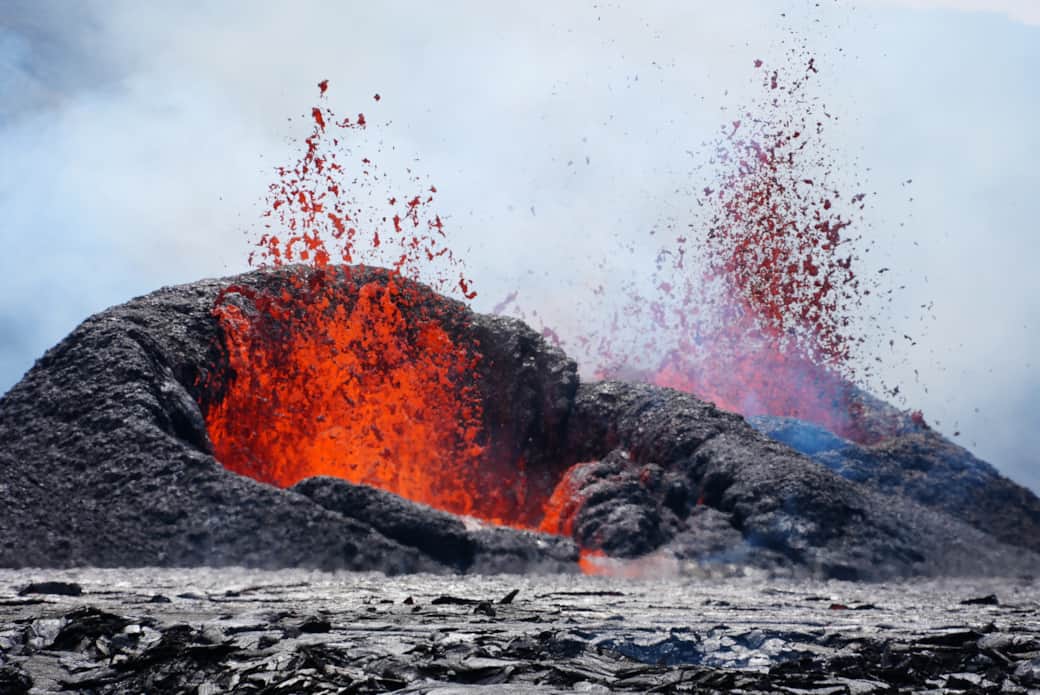
The dynamic nature of Kīlauea means that conditions are constantly in flux. An eruption can begin or end, air quality can shift, and new hazards can emerge without warning. Therefore, it is imperative to rely on real-time information. The USGS provides daily Kīlauea volcano updates and an extensive multimedia gallery, while the NPS website offers essential safety guidelines and current conditions. Empowering oneself with this knowledge is the final, crucial step in planning a truly safe and unforgettable journey.
Final Takeaways
The allure of Kīlauea is undeniable, and its popular attractions are world-class for a reason. But the real magic is waiting for you just off the beaten path, right within the national park's boundaries. By seeking out these special spots—the ancient art at Puʻuloa, the otherworldly landscapes of Mauna Ulu, the peaceful sanctuary of Bird Park, and the quiet solitude of the Kahuku Unit—you'll create a deeper, more personal connection with this incredible island. The effort and planning aren't a chore; they're your ticket to a more authentic and rewarding adventure. So go on, get out there and explore, and transform your vacation into an unforgettable journey into the heart of the Big Island.